

What are the cost factors of low voltage switchboards?
Sep 24, 2025
Leave a message
Hey there! As a supplier of low voltage switchboards, I've had my fair share of experiences understanding what goes into their costs. In this blog, I'll break down the key cost factors that you should keep in mind when considering purchasing low - voltage switchboards.
1. Material Costs
The materials used in low voltage switchboards play a huge role in determining their price. First off, the enclosure. The enclosure is like the protective shell of the switchboard, and different types have different costs.
For example, a DOUBLE DOOR WALL MOUNTING ENCLOSURE is more expensive than a regular single - door one. These enclosures are usually made of high - quality steel or aluminum. Steel enclosures are durable and offer good protection against physical damage, but they can be heavier. Aluminum, on the other hand, is lighter and more resistant to corrosion, which is great if the switchboard is going to be installed in a harsh environment.
Inside the enclosure, the busbars are another major cost factor. Busbars are used to distribute electrical power within the switchboard. Copper busbars are the preferred choice because they have excellent electrical conductivity. However, copper is quite expensive, and its price can fluctuate based on market conditions. If cost is a major concern, some manufacturers might use aluminum busbars, which are cheaper but have lower conductivity.
2. Component Costs
The components installed in the low voltage switchboard also add to the overall cost. Circuit breakers are a must - have component. They protect the electrical system from overcurrent and short - circuits. High - quality circuit breakers from well - known brands are more reliable, but they come with a higher price tag.
Another important component is the Small Soft Starter. Soft starters are used to gradually start and stop electrical motors, reducing the mechanical stress on the motor and the electrical system. The technology and features of soft starters can vary widely. A more advanced soft starter with better control capabilities and additional protection features will be more expensive.
Relays, contactors, and fuses are also part of the component mix. These are smaller components, but they still contribute to the overall cost. High - performance relays and contactors that can handle high currents and have a long lifespan are more costly.
3. Design and Customization
If you need a custom - designed low voltage switchboard, it's going to cost you more. Standard switchboard designs are mass - produced, which allows manufacturers to take advantage of economies of scale and keep the cost down. But when you have specific requirements, such as a unique size, shape, or functionality, the design process becomes more complex.
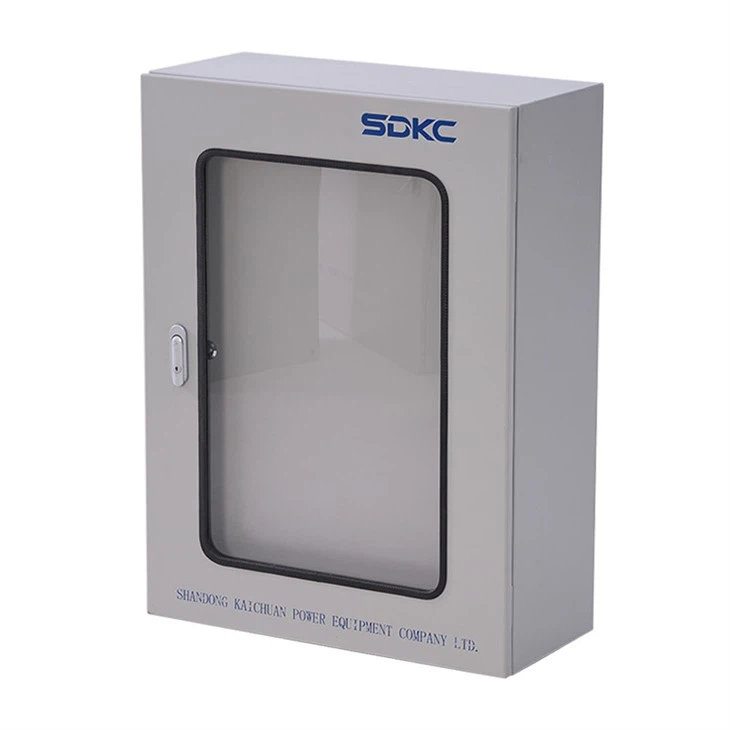
Engineers have to spend more time on the design, and there might be additional tooling costs involved if new molds or fixtures are needed. For example, if you need a Wall - mounted Enclosure with a non - standard size or a specific cut - out for a particular component, the manufacturer will need to make special arrangements.
Customization also includes things like adding specific labels, color - coding, or integrating special communication interfaces. All these custom features add to the cost of the switchboard.
4. Manufacturing and Assembly
The manufacturing process itself has costs associated with it. Labor costs are a significant part of this. Skilled workers are required to assemble the switchboard, and their wages vary depending on the region and the level of expertise. In areas with a high cost of living, labor costs will be higher.
The manufacturing facility also needs to invest in equipment and machinery. This includes things like cutting machines for the enclosure, bending machines for the busbars, and testing equipment to ensure the switchboard meets the required standards. The cost of purchasing, maintaining, and upgrading this equipment is factored into the price of the switchboard.
Quality control is another aspect of manufacturing that adds to the cost. Every switchboard needs to be tested to ensure it functions properly and meets safety standards. This involves using specialized testing equipment and trained technicians, which all come at a cost.

5. Certification and Compliance
Low voltage switchboards need to meet various national and international standards. Obtaining the necessary certifications can be a time - consuming and expensive process. For example, in the United States, switchboards need to comply with the National Electrical Code (NEC). In Europe, they need to meet the requirements of the CE marking.
Manufacturers have to conduct tests and inspections to prove that their switchboards meet these standards. This might involve sending samples to independent testing laboratories, which charge a fee for their services. The cost of certification is then passed on to the customer.
6. Shipping and Installation
Once the switchboard is manufactured, there are shipping costs. The size and weight of the switchboard determine the shipping cost. Larger and heavier switchboards require more specialized shipping methods, such as using flatbed trucks or even shipping containers if they are being exported.
Installation is also an important cost factor. Professional installers are needed to ensure that the switchboard is installed correctly and safely. Installation costs can vary depending on the complexity of the installation, the location, and the local labor rates.
Conclusion
So, as you can see, there are many factors that contribute to the cost of low voltage switchboards. When you're in the market for a switchboard, it's important to consider all these factors and figure out which ones are most important to you. If you're looking for a high - quality, reliable switchboard, you might have to pay a bit more, but it could save you money in the long run by reducing maintenance and downtime.
If you're interested in purchasing low voltage switchboards and want to discuss your specific requirements, feel free to reach out. We can work together to find the best solution that fits your budget and needs.
References
- "Electrical Power Distribution Handbook"
- Industry reports on low voltage switchboard manufacturing and costs.