



SDKC High-quality circuit breaker manufacturer
SHANDONG KAICHUAN POWER EQUIPMENT COMPANY LTD. is a leading circuit breaker manufacturer in China. We specialize in the production of small circuit breakers, molded case circuit breakers, and high-current intelligent circuit breakers. Verified by well-known certification agencies, reliability is ensured and in compliance with international standards.
Advantages of circuit breaker production
Quality Assurance
All raw materials we use are inspected by professional quality inspection departments, and products are strictly inspected and tested for performance in accordance with standards before shipment.
Professional Technical Team
The SDKC team has been professionally engaged in the electrical industry for more than ten years and has rich practical experience. We provide engineers to help you install and use, and provide free technical consulting services.
Various types are complete
Our circuit breaker series has a variety of types, including small circuit breakers 1, 2, 3P poles and various specifications of current amperes; molded case circuit breakers 3, 4P poles and various specifications of current amperes; high-current intelligent circuit breakers of various current amperes; We have both conventional parameter products, and each type can also be customized and manufactured according to your project.
Products are widely used
Our company's circuit breakers have short-circuit protection, overload protection, control, isolation and other functions, suitable for low-voltage terminal distribution of industrial and commercial lighting lines; in the fields of industry, civil buildings, energy, communications, infrastructure, AC and DC system protection, etc.


Benefits of Breaker
Compact Size
MCBs are compact and space-saving, making them ideal for installation in electrical distribution boards or consumer units with limited space. Their small footprint allows for more efficient use of available space and easier integration into existing electrical systems.
Wide Range of Ratings
MCBs are available in a wide range of current ratings to accommodate various electrical loads and applications. This flexibility allows homeowners to select MCBs with appropriate ratings for different circuits based on their specific requirements, ensuring optimal protection and performance.
Reliable Performance
MCBs offer reliable performance in detecting and responding to electrical faults, providing consistent protection against overload, short circuit, and ground fault conditions. Their robust construction and advanced trip mechanisms contribute to their durability and longevity in residential installations.
Ease of Installation and Maintenance
Installing MCBs is straightforward, requiring minimal time and effort compared to traditional fuse-based systems. MCBs can be easily mounted onto DIN rails in distribution boa.
Type of Breaker

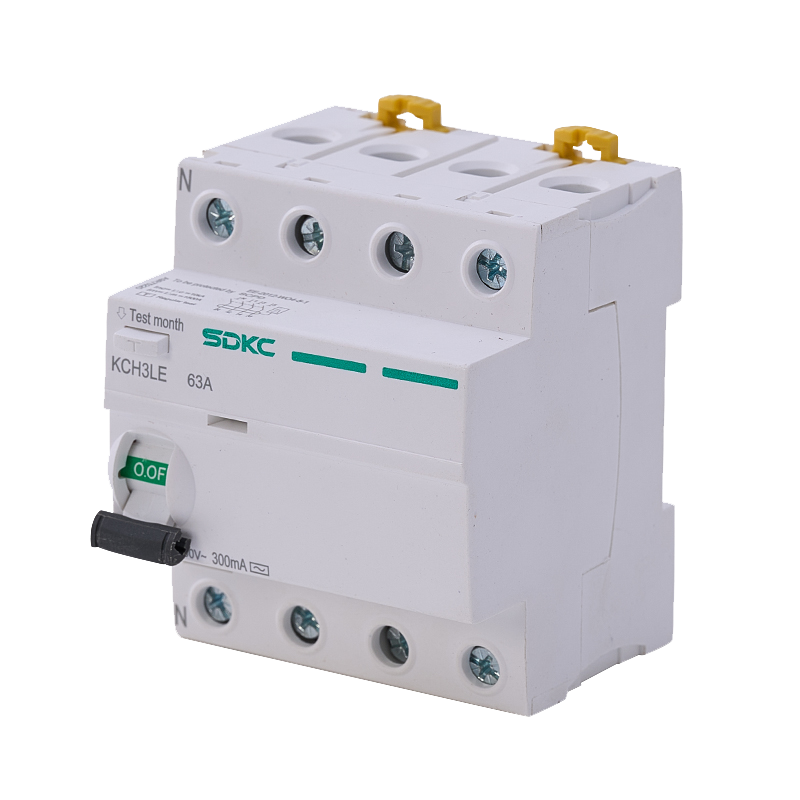
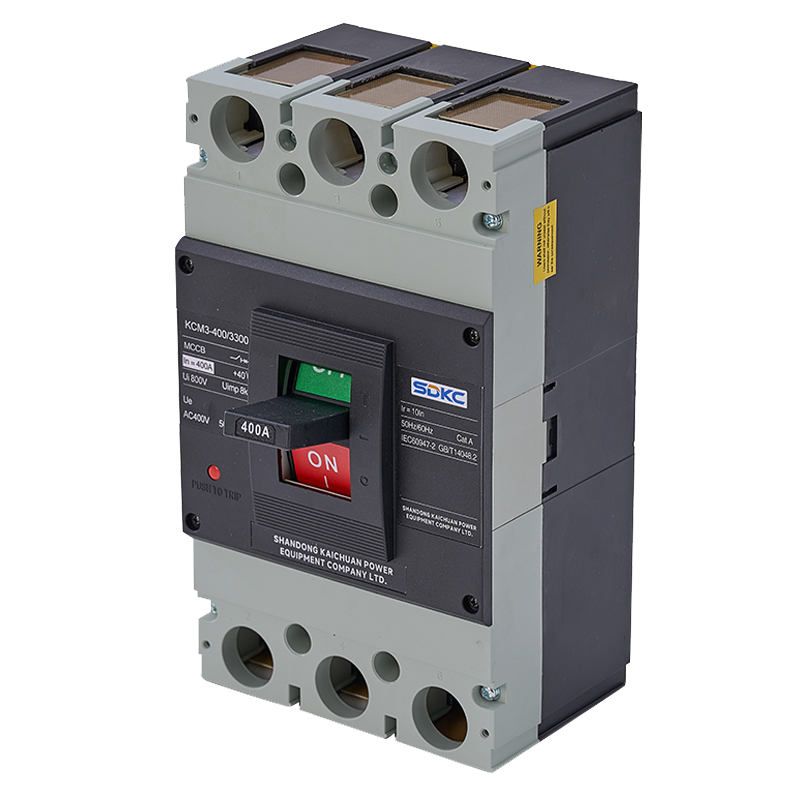
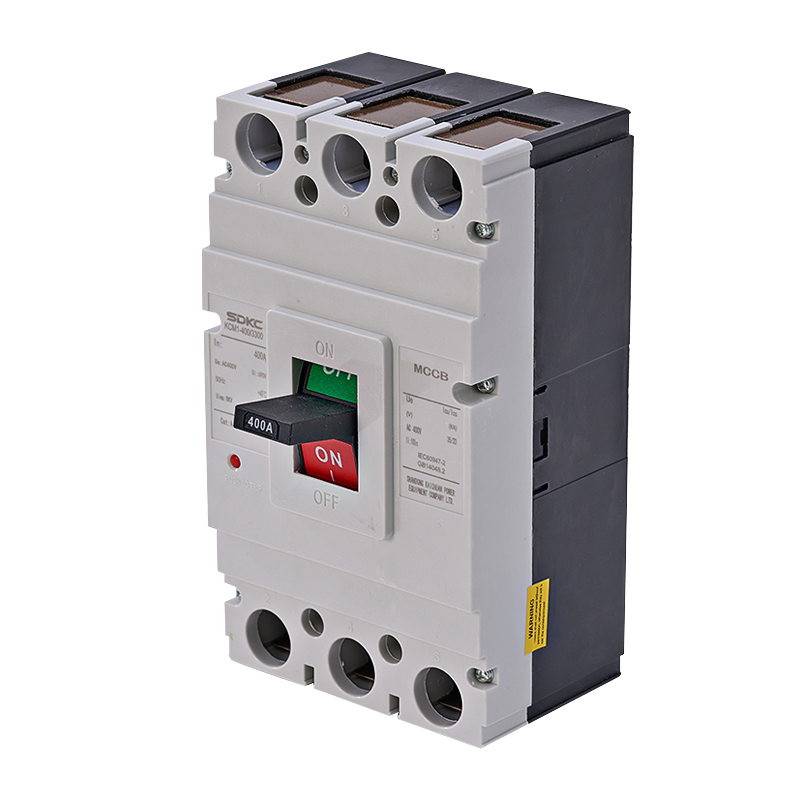
Single Pole Circuit Breakers
The single pole breaker is the simplest and most widely used type in residential settings.
Inside a single pole breaker, electromechanical tripping triggers the internal contacts to open when overload current is detected on the single hot wire being monitored. This cuts power from flowing through the circuit any further.
Double Pole Circuit Breakers
Double pole breakers get their name because they monitor and open connections for two hot wires rather than just one. This makes them well suited for protecting 240 volt circuits like those powering large appliances.
Inside a double pole breaker, separate internal mechanisms trip two sets of contacts simultaneously when overload occurs. This interrupts both the hot wires (120V each, 180 degrees out of phase) that make up the total 240V circuit.
GFCI Circuit Breakers
GFCI stands for ground fault circuit interrupter. This type of breaker does more than just open from overloads. GFCI breakers also monitor electricity flowing in the circuit and will instantly trip if an abnormal ground fault is detected, providing important shock protection.
AFCI Circuit Breakers
AFCI is short for arc fault circuit interrupter. This advanced breaker type can detect hazardous electrical arcing from damaged wires or loose connections that overloads don’t necessarily trip.
AFCI breakers use specialized sensors to recognize arc patterns. If detected, the AFCI trips very quickly to extinguish the arc and prevent thermal damage or open flames.
Application Of Breaker
High temperature place
For places such as ironmaking, casting molding, boiler room, etc., the pure electromagnetic type that is not affected by temperature (but not too high) should be used. For thermal-electromagnetic type, when the temperature is between 40 ℃ and 60 ℃, the temperature should be reduced. Can not be used above 60 ℃.
Low temperature place
This refers to places below -5°C, such as refrigerated warehouses, low-temperature greenhouses, and ship open decks. If the temperature is too low, the lubricant will dry up and the insulation will become brittle. Therefore, users should order low-temperature breakers.
Humid place
Refers to relatively humid places such as chemical plants, fish processing plants, etc., the breaker should be installed in a waterproof box, and the humid tropical type plastic case breaker should be used if it is not in direct contact with water.
Dusty places
Such as cement factory, textile factory, the breaker can be used in the dust box.
Coal mines and other mines
660 V voltage class breaker can be used, and the breaker is placed in an explosion-proof box.
Ship
General civilian transport ships should use marine plastic case breakers with three protections (moisture proof, mildew proof, and salt spray proof) and a certain level of vibration, bump, and tilt resistance. The reference temperature is 45 ℃.
Choosing a breaker Specifications
Selecting the correct breaker for an electrical application involves considering various specifications and criteria to ensure proper protection, compatibility, and safety.
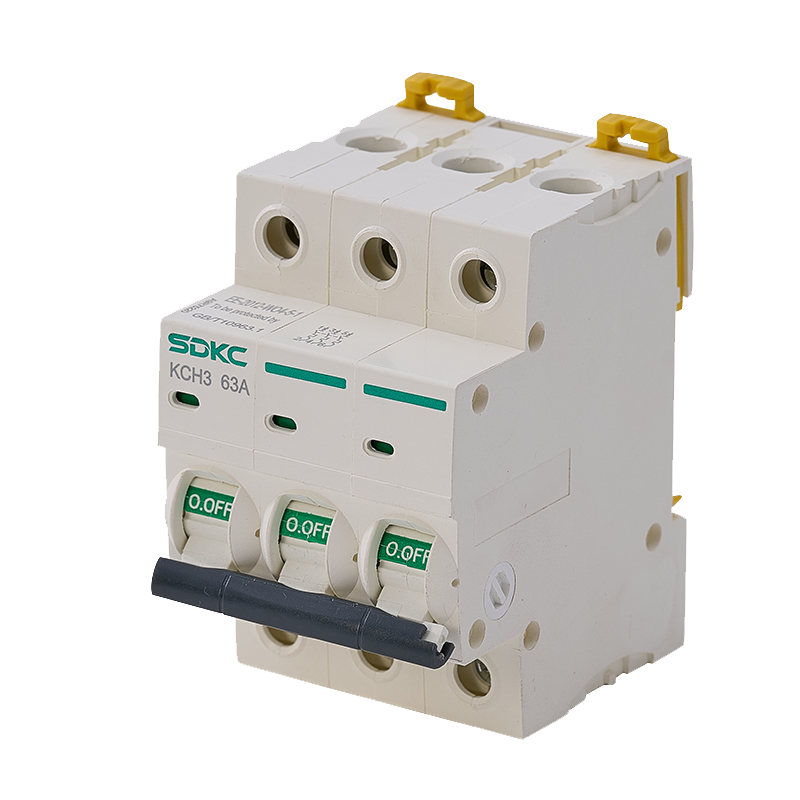
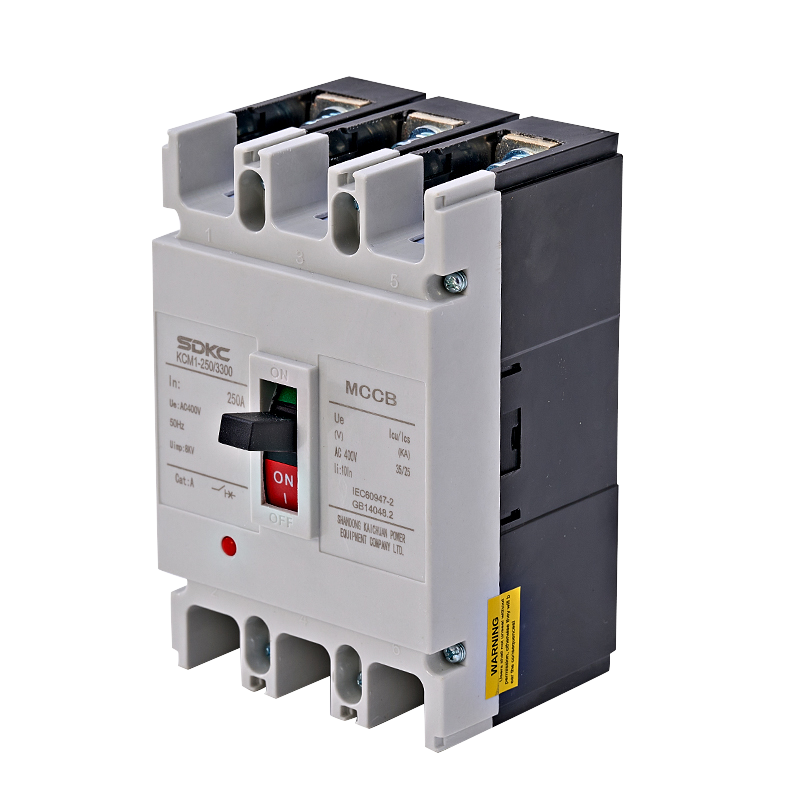
Amperage Rating
Match the amperage rating of the breaker to the maximum current load of the circuit. Overrating can lead to circuit damage, while underrating will cause frequent tripping.
Interrupting Capacity
This is the maximum fault current the breaker can safely interrupt. Higher ratings are needed for circuits with the potential for higher fault currents.

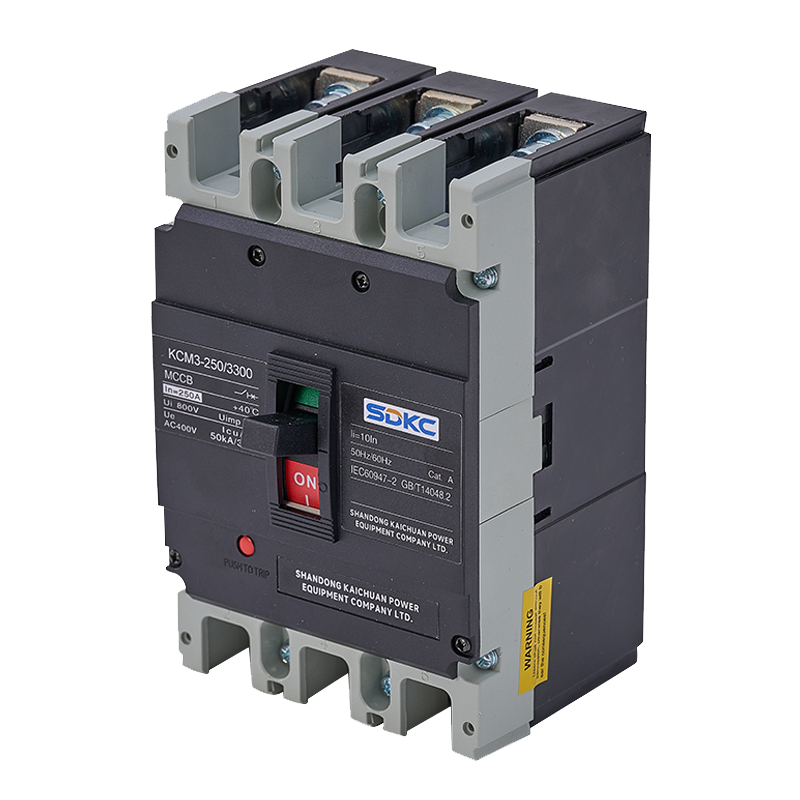
Voltage Rating
Ensure the breaker's voltage rating is compatible with the circuit. For example, most residential breakers are rated for 120/240 volts.
Physical Size
Breakers must fit into your panel, so always check the panel's layout and breaker size to ensure compatibility.
FAQ
We're well-known as one of the leading breaker manufacturers and suppliers in China. Please feel free to buy high quality breaker at competitive price from our factory. For customized service, contact us now.