

What are the insulation materials for busbars in Low Voltage Switchgear?
Oct 09, 2025
Leave a message
As a supplier of Low Voltage Switchgear, I've witnessed firsthand the crucial role that insulation materials play in the performance and safety of busbars. Busbars are conductors that distribute electrical power within a switchgear system, and proper insulation is essential to prevent electrical faults, short circuits, and other hazards. In this blog post, I'll explore the different types of insulation materials used for busbars in Low Voltage Switchgear, their properties, and their applications.
1. Epoxy Resin
Epoxy resin is one of the most commonly used insulation materials for busbars in Low Voltage Switchgear. It offers excellent electrical insulation properties, high mechanical strength, and good resistance to heat, chemicals, and moisture. Epoxy resin can be applied to busbars through a process called casting, where the resin is poured into a mold containing the busbars and then cured to form a solid, protective layer.
-
Properties:
- High Dielectric Strength: Epoxy resin has a high dielectric strength, which means it can withstand high voltages without breaking down. This makes it suitable for use in switchgear systems that operate at relatively high voltages.
- Good Thermal Resistance: It can withstand elevated temperatures without losing its insulation properties. This is important in switchgear, where heat is generated during normal operation.
- Chemical Resistance: Epoxy resin is resistant to a wide range of chemicals, which helps protect the busbars from corrosion and other forms of damage.
-
Applications:
- Epoxy resin is often used in enclosed busbar systems, where it provides a hermetic seal to protect the busbars from environmental factors.
- It is also used in switchgear cabinets for industrial applications, where reliability and safety are of utmost importance.
2. Polyvinyl Chloride (PVC)
PVC is another popular insulation material for busbars in Low Voltage Switchgear. It is a thermoplastic material that is easy to process and has good electrical insulation properties.
-
Properties:
- Low Cost: PVC is relatively inexpensive compared to other insulation materials, making it a cost - effective choice for many applications.
- Flexibility: It is a flexible material, which allows for easy installation and bending of busbars.
- Good Electrical Insulation: PVC provides adequate electrical insulation for low - voltage applications.
-
Applications:
- PVC is commonly used in residential and commercial switchgear systems, where the voltage levels are relatively low.
- It is also used in some industrial applications where cost is a major consideration and the environmental conditions are not too harsh.
3. Silicone Rubber
Silicone rubber is a high - performance insulation material that offers excellent electrical and thermal properties. It is a synthetic rubber that can be molded into various shapes and forms.
-
Properties:
- High Temperature Resistance: Silicone rubber can withstand very high temperatures, up to 200°C or more, without significant degradation of its properties.
- Good Flexibility: It remains flexible even at low temperatures, which makes it suitable for applications where the busbars may be subject to vibration or movement.
- Excellent Electrical Insulation: It has a high dielectric strength and low dielectric loss, which makes it an ideal insulation material for switchgear.
-
Applications:
- Silicone rubber is often used in high - temperature applications, such as in switchgear located near heat sources or in environments with high ambient temperatures.
- It is also used in applications where flexibility is required, such as in mobile or portable switchgear units.
4. Fiberglass Reinforced Plastics (FRP)
FRP is a composite material made of fiberglass and a resin matrix. It combines the strength of fiberglass with the insulation properties of the resin.
-
Properties:
- High Mechanical Strength: FRP has high tensile and compressive strength, which helps protect the busbars from mechanical damage.
- Good Electrical Insulation: It provides good electrical insulation, especially when used in combination with other insulation materials.
- Lightweight: FRP is relatively lightweight compared to some other materials, which can be an advantage in applications where weight is a concern.
-
Applications:
- FRP is used in switchgear cabinets where mechanical protection and electrical insulation are both required.
- It is also used in outdoor switchgear applications, as it is resistant to weathering and UV radiation.
5. Mineral Insulation
Mineral insulation, such as magnesium oxide (MgO), is a high - performance insulation material that offers excellent thermal and electrical properties.
-
Properties:
- High Thermal Conductivity: Mineral insulation has high thermal conductivity, which allows for efficient heat dissipation from the busbars.
- Excellent Electrical Insulation: It has a very high dielectric strength and can withstand high voltages.
- Fire Resistance: Mineral insulation is non - combustible, which enhances the safety of the switchgear system.
-
Applications:
- Mineral - insulated busbars are often used in critical applications, such as in power generation plants, hospitals, and data centers, where fire safety and reliability are crucial.
Considerations When Choosing Insulation Materials
When selecting insulation materials for busbars in Low Voltage Switchgear, several factors need to be considered:
- Voltage Rating: The insulation material must be able to withstand the voltage levels of the switchgear system. Higher voltage applications require materials with higher dielectric strength.
- Temperature Requirements: The material should be able to operate within the temperature range of the switchgear environment. Some applications may require materials with high thermal resistance.
- Environmental Conditions: If the switchgear is located in a harsh environment, such as a corrosive or dusty area, the insulation material should be resistant to these conditions.
- Cost: Cost is always a consideration, especially for large - scale projects. The choice of insulation material should balance performance and cost.
Our Offerings
As a Low Voltage Switchgear supplier, we understand the importance of using the right insulation materials for busbars. We offer a wide range of switchgear products that are designed to meet the diverse needs of our customers. Our switchgear systems are equipped with high - quality insulation materials to ensure reliable and safe operation.
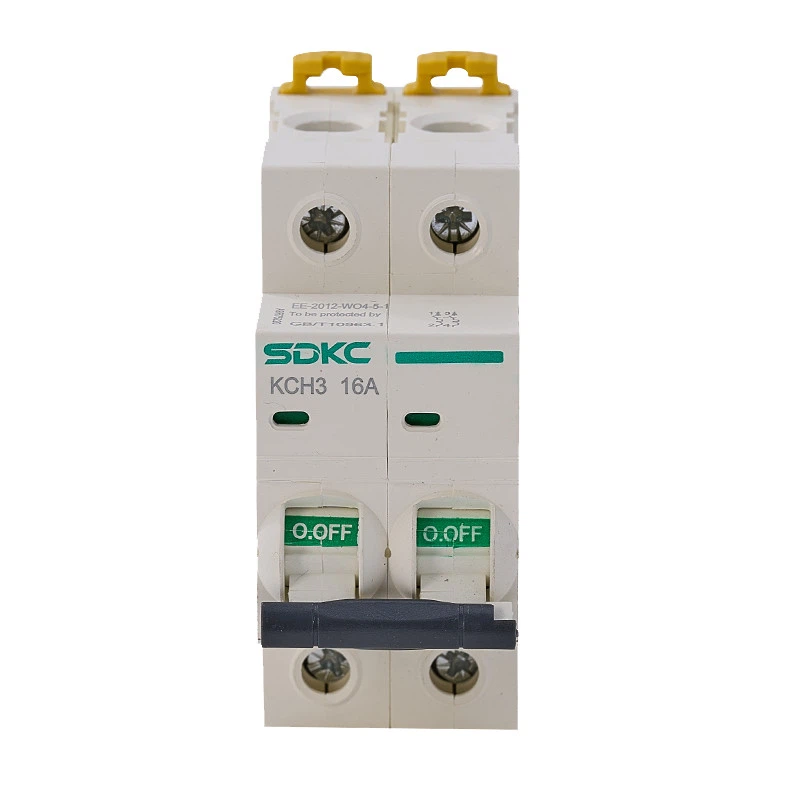

In addition to our standard switchgear products, we also provide customized solutions to meet specific customer requirements. Whether you need a switchgear system for a residential building, a commercial complex, or an industrial facility, we have the expertise and resources to deliver a solution that meets your needs.
If you are interested in our Explosion - proof Cabinet Distribution Box, 3P Miniature Circuit Breakers, or 2P Miniature Circuit Breakers, please feel free to contact us for more information. We are ready to assist you in choosing the right products for your project and to provide you with professional advice on insulation materials and switchgear design.
Conclusion
The choice of insulation materials for busbars in Low Voltage Switchgear is a critical decision that can significantly impact the performance, safety, and reliability of the switchgear system. Each insulation material has its own unique properties and applications, and the selection should be based on a careful consideration of factors such as voltage rating, temperature requirements, environmental conditions, and cost. As a supplier, we are committed to providing our customers with high - quality switchgear products that incorporate the best insulation materials for their specific needs. If you have any questions or need further information, please don't hesitate to contact us for procurement and negotiation.
References
- "Electrical Insulation Handbook" by John D. McDonald
- "Low Voltage Switchgear and Controlgear" by various industry experts in electrical engineering
- Manufacturer's technical data sheets for insulation materials and switchgear components.