

How does a high voltage inverter perform in a high - altitude environment?
Dec 24, 2025
Leave a message
Hey there! As a supplier of high voltage inverters, I've been getting a lot of questions lately about how our products perform in high - altitude environments. So, I thought I'd sit down and share some insights with you all.
First off, let's talk about what makes high - altitude environments unique. At higher altitudes, the air density decreases. This might not seem like a big deal, but it has a significant impact on how electrical equipment works. For our high voltage inverters, one of the most noticeable effects is on heat dissipation.
In normal conditions, air acts as a coolant for the inverter. As the inverter operates, it generates heat, and the surrounding air carries this heat away. But at high altitudes, with less dense air, the cooling efficiency drops. Think of it like trying to cool a hot cup of coffee with a gentle breeze instead of a strong fan. The coffee will still cool down, but it'll take much longer.
Our high voltage inverters are designed with this in mind. We've incorporated advanced cooling systems that can adapt to the reduced air density. For example, we use high - performance fans that can push more air through the inverter's components, even in thin air. This helps to maintain a stable operating temperature, which is crucial for the inverter's performance and longevity.
Another aspect affected by high altitude is the dielectric strength of the air. Dielectric strength refers to the ability of a material (in this case, air) to resist electrical breakdown. At high altitudes, the lower air density means that the air's dielectric strength is reduced. This can increase the risk of electrical arcing, which is basically a spark jumping between two conductive parts.
To combat this, we've enhanced the insulation of our high voltage inverters. We use high - quality insulation materials that can withstand the reduced dielectric strength of the air at high altitudes. This reduces the risk of electrical arcing and ensures the safe and reliable operation of the inverter.
Now, let's talk about some of the specific components of our high voltage inverters and how they perform in high - altitude environments.
The power modules in our inverters are the heart of the system. They convert the DC power from the input source into AC power for the output. These modules generate a lot of heat, and as I mentioned earlier, heat dissipation is a challenge at high altitudes. Our power modules are equipped with advanced heat sinks and cooling channels that are optimized for high - altitude operation. This allows them to maintain their efficiency and performance, even in the toughest conditions.
The control boards in our inverters are responsible for regulating the output voltage and frequency. They need to operate accurately and reliably, regardless of the altitude. We've designed our control boards with high - precision components that are less sensitive to changes in environmental conditions. This ensures that the inverter can provide a stable and consistent output, even in high - altitude areas.
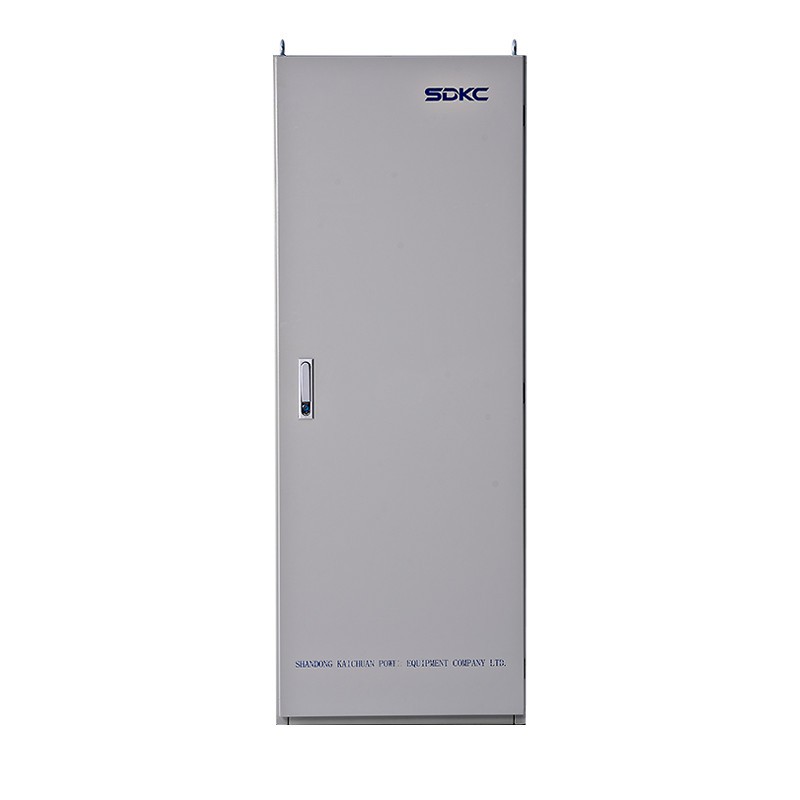
In addition to these technical aspects, we also offer a range of accessories and support services for our high voltage inverters in high - altitude applications. For example, we have Floor Standing Electrical Cabinet that are specifically designed to protect the inverter from the harsh environmental conditions at high altitudes. These cabinets are made of high - quality materials that can withstand extreme temperatures, UV radiation, and dust.
We also provide Lighting Transformers that can be used in conjunction with our high voltage inverters. These transformers are designed to work efficiently in high - altitude environments, ensuring that the lighting systems powered by our inverters operate at their best.

And if you need to control the operation of our high voltage inverters, we offer the CJX2 Contactor. This contactor is a reliable and cost - effective solution for switching the inverter on and off, and it's suitable for use in high - altitude areas.
So, if you're looking for a high voltage inverter that can perform well in high - altitude environments, look no further. Our products are designed and tested to meet the challenges of these tough conditions. Whether you're powering a remote mountain village, a high - altitude industrial site, or a renewable energy project in the mountains, our high voltage inverters are up to the task.
If you're interested in learning more about our high voltage inverters or have any questions about their performance in high - altitude environments, don't hesitate to reach out. We're here to help you find the right solution for your needs. Contact us today to start a conversation about your project and how our high voltage inverters can make a difference.
References
- Electrical Engineering Handbook, CRC Press
- High - Altitude Electrical Equipment Design Guidelines, IEEE Publications