

What factors affect the service life of a DC contactor?
Aug 07, 2025
Leave a message
As a DC contactor supplier, I've witnessed firsthand the importance of understanding the factors that affect the service life of these critical components. DC contactors play a vital role in various electrical systems, from automotive applications to industrial machinery. Ensuring their long - term reliability is not only beneficial for end - users but also for the overall efficiency of the electrical systems they are part of. In this blog, I'll explore the key factors that can influence the service life of a DC contactor.
1. Electrical Load and Current
One of the most significant factors affecting the service life of a DC contactor is the electrical load it has to handle. When a contactor is rated for a specific current, it is designed to operate safely within that limit. Exceeding the rated current can cause excessive heat generation at the contacts. This heat can lead to the melting and welding of the contacts, which ultimately shortens the contactor's lifespan.
For instance, in a high - power industrial application where the DC contactor is used to control a large motor, if the motor experiences a sudden surge in current due to a mechanical jam or other issues, the contactor may be subjected to currents far beyond its rated capacity. Over time, this repeated over - current situation will cause irreversible damage to the contacts.
It's also important to consider the type of load. Resistive loads are generally easier on contactors compared to inductive or capacitive loads. Inductive loads, such as motors and transformers, can create high - voltage spikes when the current is interrupted. These spikes can cause arcing at the contacts, which erodes the contact material and reduces the contactor's service life.
2. Operating Environment
The environment in which a DC contactor operates has a profound impact on its lifespan. Temperature, humidity, and the presence of contaminants are all critical factors.

High temperatures can accelerate the aging process of the contactor's internal components. The insulation materials may degrade more quickly, and the contacts may oxidize at a faster rate. In extreme cases, high temperatures can even cause the contactor to malfunction. On the other hand, low temperatures can make the materials more brittle, increasing the risk of mechanical failure.
Humidity can also be a problem. Moisture can cause corrosion on the contacts and other metal parts of the contactor. This corrosion can increase the contact resistance, leading to more heat generation and ultimately reducing the contactor's performance and service life.
Contaminants in the air, such as dust, dirt, and chemicals, can also have a negative impact. Dust can accumulate on the contacts, increasing the contact resistance and causing arcing. Chemical contaminants can react with the contact material, leading to corrosion and degradation. For example, in a manufacturing plant where there are high levels of corrosive chemicals in the air, the DC contactors need to be properly protected.
3. Frequency of Operation
The frequency at which a DC contactor is operated is another important factor. Every time a contactor is opened or closed, there is a certain amount of wear and tear on the contacts. Frequent operation can cause the contacts to erode more quickly.
In applications where the contactor is used for frequent switching, such as in a control system that requires rapid on - off cycles, the service life of the contactor will be significantly reduced compared to an application where the contactor is only operated occasionally. For example, in a lighting control system where the contactor is used to turn on and off the lights multiple times a day, the contacts will experience more wear compared to a contactor used in a backup power system that is only activated during power outages.
4. Quality of Manufacturing
The quality of manufacturing of the DC contactor itself is a fundamental factor. A well - manufactured contactor will use high - quality materials and precise manufacturing processes.
The contact material is of utmost importance. High - quality contact materials, such as silver - based alloys, have better conductivity and resistance to arcing and corrosion. The manufacturing process also affects the performance of the contactor. For example, if the contacts are not properly aligned during the manufacturing process, it can lead to uneven wear and premature failure.
At our company, we take great pride in our manufacturing process. We use only the highest - quality materials and state - of - the - art manufacturing techniques to ensure the reliability and long service life of our DC contactors. We also conduct rigorous quality control tests on every contactor before it leaves our factory.
5. Mounting and Installation
Proper mounting and installation of the DC contactor are essential for its long - term performance. Incorrect mounting can cause mechanical stress on the contactor, which can lead to internal damage.
The contactor should be mounted in a stable and vibration - free environment. Vibration can cause the contacts to bounce, leading to arcing and increased wear. Additionally, the electrical connections should be made properly. Loose connections can cause high - resistance joints, which generate heat and can damage the contactor.
When installing a DC contactor, it's also important to consider the surrounding components. For example, if the contactor is installed too close to a heat - generating component, it may be exposed to higher temperatures than normal, which can affect its service life.
6. Protection Devices
Using appropriate protection devices can significantly extend the service life of a DC contactor. Over - current protection devices, such as Molded Case Residual Current Circuit Breaker 4P, can prevent the contactor from being subjected to excessive currents. These breakers can quickly interrupt the circuit when the current exceeds a certain limit, protecting the contactor from damage.
Surge protectors can also be used to protect the contactor from high - voltage spikes. In applications where there are inductive loads, surge protectors can absorb the energy from the spikes, reducing the arcing at the contacts and prolonging the contactor's lifespan.
7. Enclosure and Cabinet
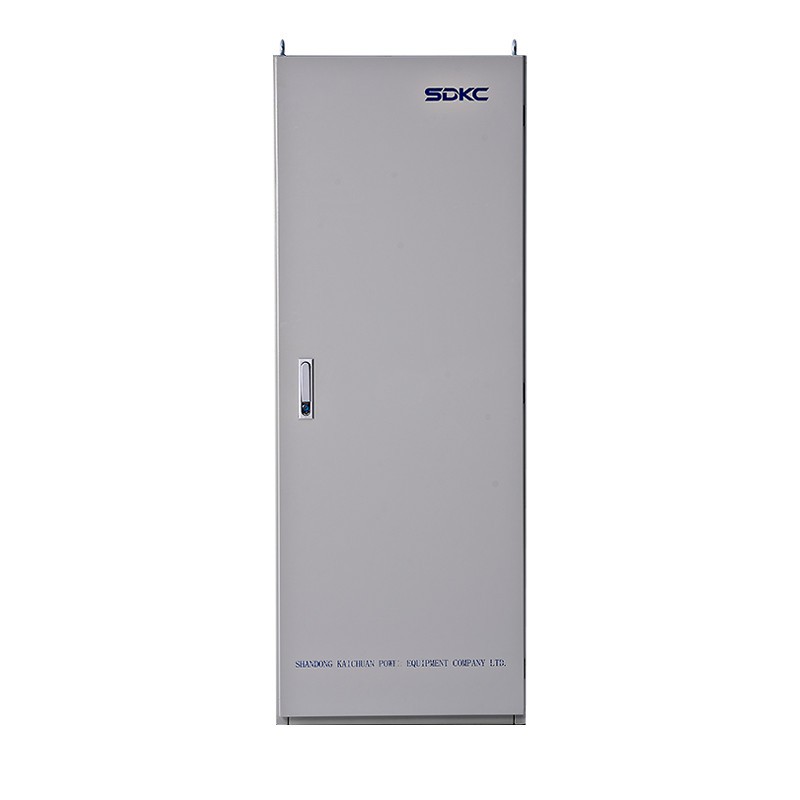
The type of enclosure and cabinet used to house the DC contactor can also impact its service life. A well - designed Wall - mounted Enclosure or Floor Standing Electrical Cabinet can provide protection from the operating environment.
These enclosures can shield the contactor from dust, dirt, moisture, and mechanical damage. They can also help to maintain a more stable temperature inside, reducing the impact of external temperature variations on the contactor.
Conclusion
In conclusion, the service life of a DC contactor is affected by a variety of factors, including electrical load, operating environment, frequency of operation, quality of manufacturing, mounting and installation, protection devices, and enclosures. As a DC contactor supplier, we understand the importance of these factors and strive to provide our customers with high - quality contactors that are designed to withstand these challenges.
If you are in the market for DC contactors or have any questions about their application and service life, we invite you to contact us for a detailed discussion. Our team of experts is ready to assist you in finding the best solutions for your specific needs.
References
- "Electrical Contacts: Principles and Applications" by M. Holm
- "Power Electronics: Converters, Applications, and Design" by Ned Mohan, Tore M. Undeland, and William P. Robbins
- Industry standards and guidelines related to DC contactors from relevant electrical engineering organizations.